
Insights
Cloud Computing — Page 5
Cloud Computing articles and guidance from SwiftTech Solutions.
58 articles Page 5 of 6

October 11, 2022
What is a Multi-Cloud Strategy?
A multi-cloud strategy is becoming increasingly common among businesses. The strategy is the use of two or more cloud computing services.
Read the article
June 7, 2022
8 Reasons to Use the Cloud
Many businesses rely on cloud computing, and it is only getting easier to use. Here are eight reasons to consider using the cloud.
Read the article
March 9, 2022
How Cloud Computing Will Benefit Your Business
Cloud computing can boost efficiency and cut costs. By migrating to the cloud, you can access all your data and applications from anywhere.
Read the article
June 4, 2020
Protect Your Video Meetings
Safeguard your video meeting platforms so your company is protected from costly and embarrassing breaches.
Read the article
May 28, 2020
Microsoft 365: Access Email and Office Apps Online
Think about moving your email systems to Microsoft 365. The program has several advantages for remote workers.
Read the article
May 19, 2020
Microsoft Teams: Stepping Up in a Time of Need
Microsoft Teams offers cloud and mobile technologies that allow users to work out of the office and on any device.
Read the article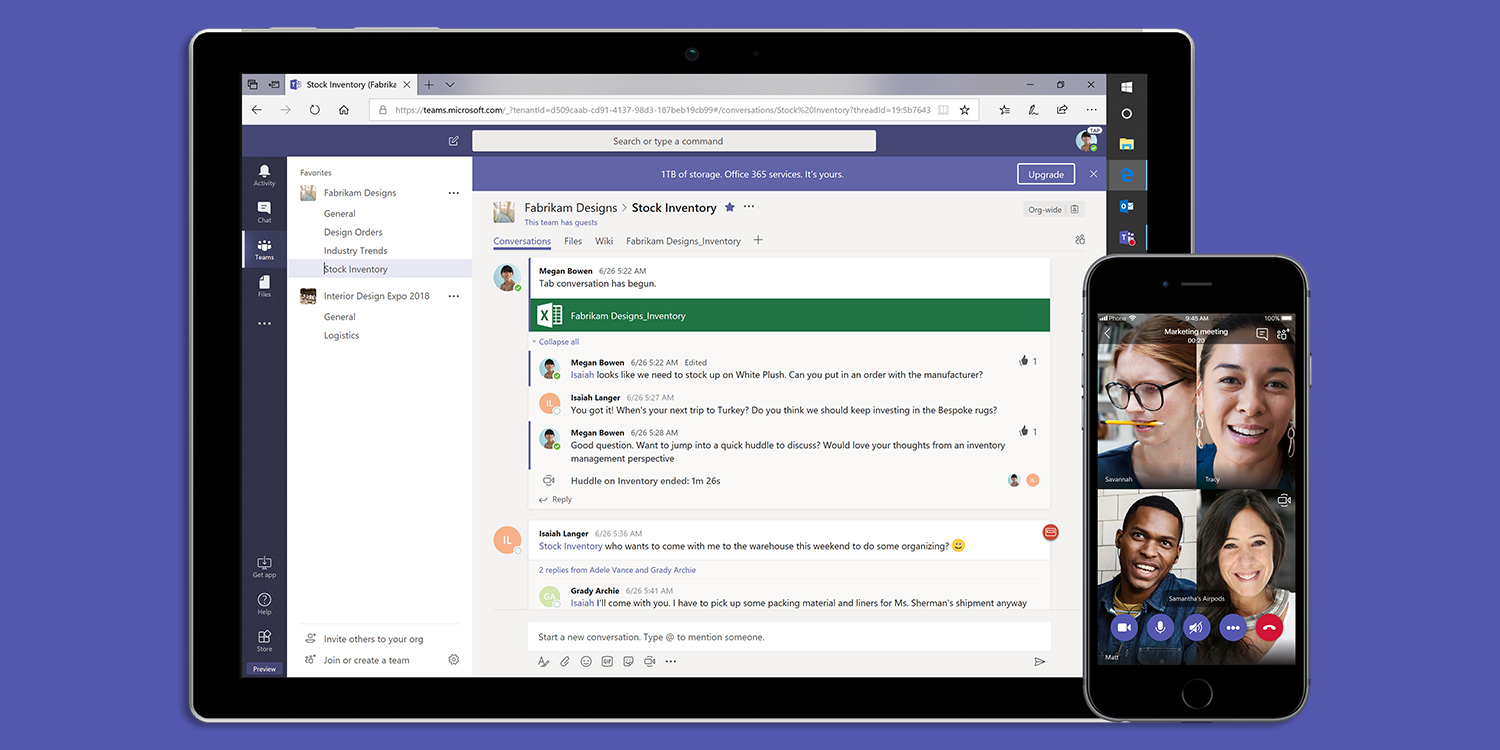
April 1, 2020
Microsoft Teams: Why should my business use it?
Microsoft Teams combines different communication methods such as phone, chat, conferencing, file sharing, and document editing.
Read the article
March 23, 2020
COVID-19: Setting Up Employees to Work from Home
As the crisis with COVID-19 quickly escalates, SwiftTech Solutions can help set up your employees for working at home (if their duties allow).
Read the article
January 9, 2017
Evernote Employees Can Read Your Notes
Evernote is the go-to note-taking app for many workers. However, the firm will need their staff to read your notes to improve software features.
Read the article
July 5, 2016
What is Desktop as a Service?
Desktop as a Service meets the demand for workplace flexibility. The service provides a virtual desktop through the user logging into a browser portal.
Read the article